
Home | Surgery Options | Face Surgery | Facelift
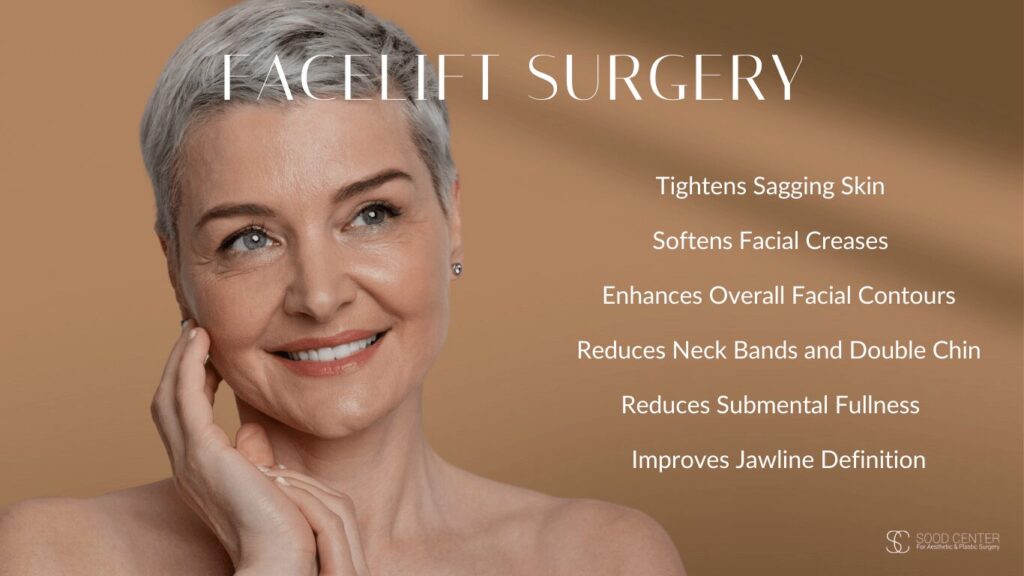
Your face changes gradually over time. The shift may start subtly—softening around the jawline, deeper smile lines, less definition in the cheeks, or skin that no longer appears as firm as it once did. Eventually, many people reach a point where skincare and non-surgical treatments no longer seem to provide the level of improvement they want.
Facelift surgery is designed to address these structural changes. At Sood Center for Aesthetic & Plastic Surgery in Linwood and Haddonfield, facelift procedures are tailored to improve facial support, redefine contours, and create rejuvenation that still looks like you.
Rather than creating an altered appearance, the goal is to restore balance and youthful definition while preserving facial identity.
Procedure type: Surgical facial rejuvenation
Areas commonly treated:
Main concerns addressed:
Who often considers it:
Patients bothered by visible facial aging who want longer-lasting correction than injectables alone can provide.
A facelift—medically called rhytidectomy—is a facial rejuvenation procedure intended to improve age-related changes affecting the lower and middle portions of the face.
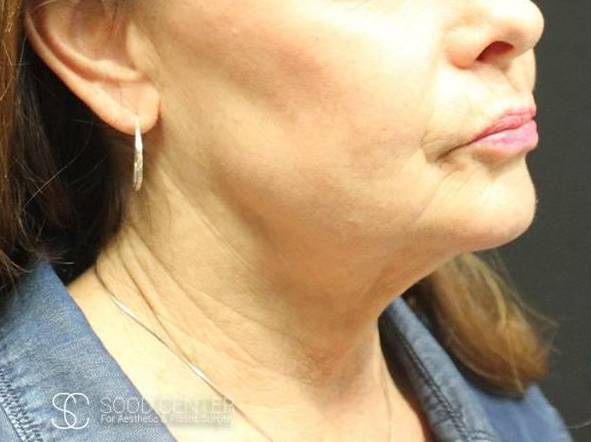
As facial tissues descend over time, the following changes frequently appear:
Facelift surgery improves these concerns by repositioning deeper structures, refining contour transitions, and removing redundant skin where needed.
Modern techniques focus on restoring support beneath the surface instead of simply tightening skin.
One of the earliest facial aging changes many people notice is loss of jawline definition. As tissues shift downward, heaviness develops near the lower cheeks and jaw. A facelift restores contour and creates cleaner transitions between the face and neck.
Creases extending from the nose toward the mouth often become more noticeable with age because of tissue descent and volume redistribution.
Facelift procedures can soften these folds while restoring facial harmony.
Cheek volume naturally changes over time. Fat pads migrate lower, reducing youthful fullness.
Some facelift plans include volume restoration techniques when appropriate.
Neck concerns frequently accompany facial aging.
Patients may develop:
Patients frequently compare facelift surgery with less invasive treatments before deciding.
Dermal fillers replace lost volume.
A facelift repositions descended tissues.
Fillers may improve hollowness, but they do not remove excess skin or correct structural facial descent.
Neuromodulators such as BOTOX® treat wrinkles caused by repeated facial movement. Facelift surgery addresses:
The two treatments serve different purposes and may complement each other.
Mini facelift procedures usually focus on earlier aging changes limited to the lower face. A full facelift typically provides broader rejuvenation involving:
Neck lifts target aging beneath the chin and along the neck.
Facelift procedures address larger facial changes involving cheeks, jawline, and lower-face support.
Facelift patients commonly describe concerns such as:
“I look tired even when I feel rested.”
“My jawline disappeared.”
“My neck looks older than the rest of me.”
“My face doesn’t match how young I feel.”
Candidates often include patients who:
During consultation, facial anatomy, skin quality, tissue support, and aging patterns are evaluated individually.
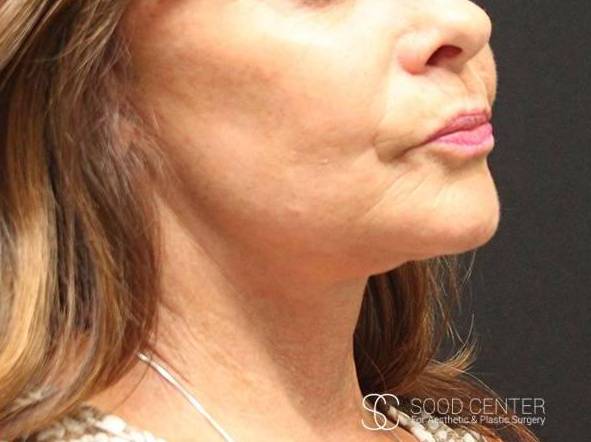
Having a facelift provides a range of benefits that extend beyond purely physical improvements:
Preparing for a facelift involves several vital steps that can significantly contribute to the success of the procedure and your recovery. A well-informed patient who actively participates in their preparation process often has a smoother journey and is generally more satisfied with their results. Below, we explore what you need to do before your facelift procedure.
Preparation begins before the procedure itself.
Patients may receive recommendations regarding:
Smoking affects circulation and healing quality.
Patients may receive individualized skincare guidance before surgery.
Recovery support arrangements should also be planned ahead of time.

Facelift pricing varies based on the procedure’s extent and your specific goals. All these details will be thoroughly discussed during your consultation, providing you with a comprehensive understanding of the investment.
After the procedure, compression garments or bandages may be used to reduce swelling and provide support during the healing process. The new appearance of your face may boost your self-confidence. The natural aging process will continue, but a facelift can take years off your appearance and most patients find the outcomes long-lasting.
Patients frequently ask whether facelift surgery is permanent.
A facelift cannot stop aging.
However, it can reposition tissues and improve facial support in a way that remains visible for many years.
Result longevity depends on:

Facelift surgery addresses structural aging, but many patients combine it with additional treatments.
Options include:
Facial rejuvenation requires more than technical execution.
It requires understanding anatomy, balance, aging patterns, and individuality.
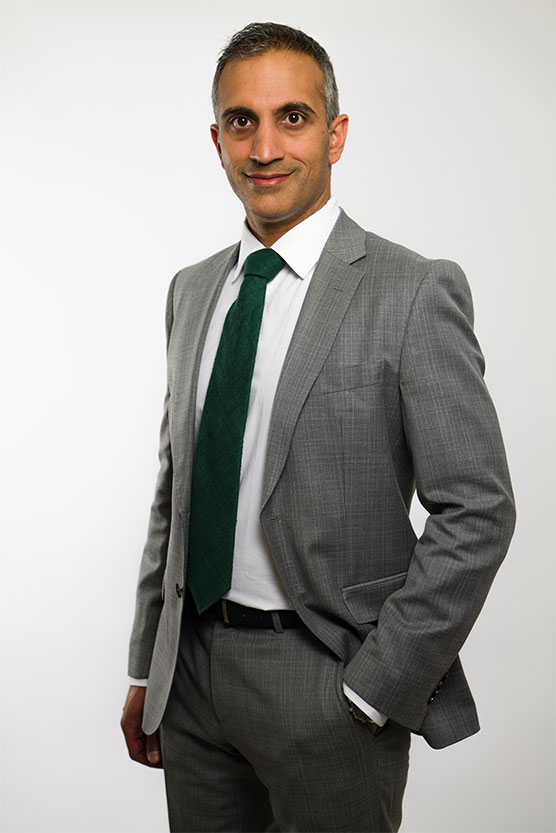
Dr. Mohit Sood combines reconstructive and cosmetic surgical experience with a patient-focused approach centered on natural outcomes.
Every facelift plan is developed around the patient—not a template.
If you are considering facelift surgery in South Jersey, schedule a consultation with Sood Center in Linwood or Haddonfield to discuss your goals and explore personalized rejuvenation options.
There is no “perfect” age for facelift surgery because candidacy depends more on facial anatomy and visible aging changes than a number. Some patients begin considering facial rejuvenation in their forties when they notice early jowls and mild skin laxity, while others pursue surgery in their fifties, sixties, or later after more significant aging develops.
The best candidates are usually those experiencing changes such as:
Many patients ask whether they are “too young” or “too old” for surgery. During consultation, facial structure, skin quality, and goals are evaluated individually to determine whether facelift surgery—or another procedure—would be more appropriate.
One of the most common concerns patients express is looking “pulled,” overly tight, or obviously surgical.
Modern facelift techniques are designed specifically to avoid this outcome.
Today’s procedures focus on repositioning deeper tissues, restoring support, and improving contour transitions rather than simply stretching skin tight. The goal is not to make you look like someone else—it is to create a refreshed version of yourself.
Most patients want friends and family to notice they look rested, younger, or healthier without immediately identifying surgery as the reason.
Natural rejuvenation remains the objective.
Although facelift surgery cannot stop aging entirely, results are typically long-lasting.
Longevity depends on factors such as:
Patients often continue looking younger than they would have without surgery, even years later.
Protecting results through sunscreen use, good skincare, healthy nutrition, and avoiding smoking may help preserve rejuvenation longer.
No. Facelift surgery improves structural aging changes but does not eliminate every type of wrinkle.
Facelifts are most effective for:
Surface-level concerns such as:
may benefit more from complementary treatments such as laser resurfacing, chemical peels, injectables, or skincare therapies.
Many patients combine these approaches for more comprehensive rejuvenation.
Many aging changes affecting the face extend downward into the neck. Patients frequently notice:
Because of this, facelift procedures are commonly paired with neck contouring techniques or neck lift surgery.
Treating both areas together often creates smoother transitions and more balanced results.
Although the procedures sound similar, they address different degrees of aging.
A mini facelift generally focuses on:
A full facelift addresses more advanced changes involving:
Patients with moderate to advanced aging often benefit from the broader correction offered by a traditional facelift.
Absolutely.
Male facelift procedures continue increasing in popularity as more men seek rejuvenation while maintaining masculine facial characteristics.
Men often want to address:
Male facial anatomy differs from female anatomy, so treatment planning considers facial proportions, beard patterns, skin thickness, and aesthetic goals.
Facelift incisions are typically placed strategically around natural facial contours and hair-bearing areas whenever possible.
Common placement areas may include:
As healing progresses, scars generally continue improving over time.
Scar visibility varies according to:
Patients are often pleasantly surprised by how discreet incisions become.
Most patients describe recovery as involving tightness, swelling, soreness, and pressure rather than severe pain.
Discomfort is usually temporary and managed with prescribed recommendations.
Recovery experiences vary, but common temporary effects include:
Patients should expect downtime and allow the body adequate healing time.
Recovery timelines vary depending on the extent of surgery and whether procedures are combined.
General expectations include:
Healing occurs gradually, so patience is important.
Yes.
Jowls are among the most common reasons patients pursue facelift surgery.
As facial tissues descend with age, fullness accumulates near the jawline and lower cheeks.
Facelift surgery lifts these structures to improve:
Patients seeking sharper jaw contours frequently benefit from treatment.
Neither treatment is universally “better”—they simply solve different problems.
Fillers cannot remove excess skin or elevate descended facial tissues.
Patients with significant laxity often require surgery for meaningful improvement.
Some individuals combine both approaches.
Yes.
Large fluctuations in weight may alter facial volume and contour after surgery.
Significant weight loss can contribute to hollowing or skin laxity, while substantial gain may affect facial definition.
Maintaining stable weight helps preserve results.
Yes. Combination treatments are very common.
Patients frequently combine facelift surgery with:
Combining procedures can create more balanced rejuvenation across the face.
Patients often know they are ready when they begin saying things such as:
“I don’t recognize myself in photos.”
“My face looks tired all the time.”
“My neck bothers me more than wrinkles.”
“I feel younger than I look.”
Consultation is the best way to determine candidacy. Evaluation includes anatomy, skin quality, facial aging patterns, and goals to decide whether facelift surgery is appropriate or whether another treatment would better match your needs.