

Home | Surgery Options | Breast Surgery | Gynecomastia Surgery

Gynecomastia is a common condition characterized by the development of male breasts, often referred to as “moobs,” and can result from excess fat, enlarged glandular tissue, or a combination of both. While gynecomastia itself is not typically harmful (though it may sometimes signal underlying health concerns), the presence of unwanted breasts can take a significant toll on a man’s confidence and overall sense of well-being.
Gynecomastia surgery is a highly effective solution for men experiencing overdeveloped or enlarged breasts, a condition that can affect males at any stage of life—from infancy to adolescence and into older adulthood. Often referred to as “gyno in men” or “gyno in males,” this condition is typically characterized by excess chest fat, enlarged glandular tissue, and, in some cases, loose or stretched skin. It may also become more noticeable after significant weight loss, when excess skin and residual tissue remain.
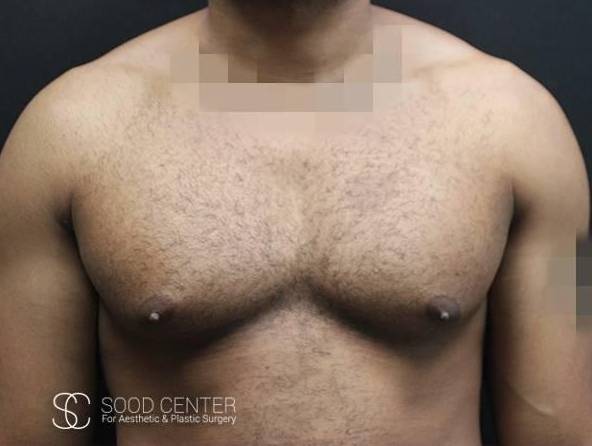
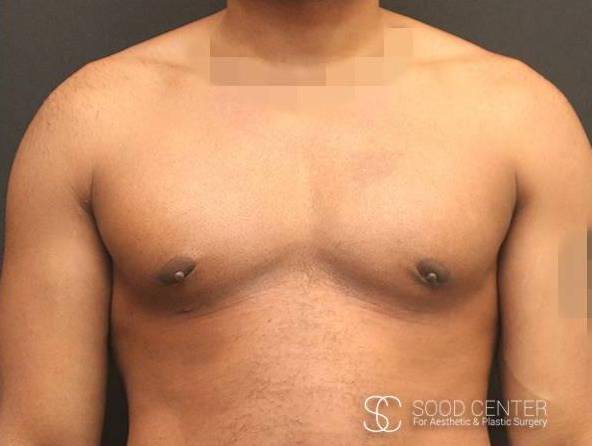
During consultation, Dr. Sood may review your medical history, medications, supplements, weight trends, and hormone status in coordination with your primary care clinician. When indicated, imaging or lab tests may be recommended to rule out other causes of gynecomastia. Addressing the underlying cause, when possible, supports long-term results.
For some individuals, gynecomastia is temporary and may resolve on its own as hormone levels stabilize. However, others experience persistent symptoms that do not improve over time. In these cases, gynecomastia surgery may be recommended as a long-term solution.
Before moving forward with treatment, patients are often advised to consult with a primary care physician to identify any underlying causes. Diagnostic testing, such as bloodwork, can help determine whether medical intervention or gynecomastia treatment through male breast reduction is the most appropriate next step.
True gynecomastia involves enlarged glandular breast tissue, often presenting as a firm disc beneath the areola, while pseudogynecomastia is primarily excess fatty tissue. Many patients have a combination. A thorough exam helps determine the best approach—liposuction for fat, excision for gland, or a combination.
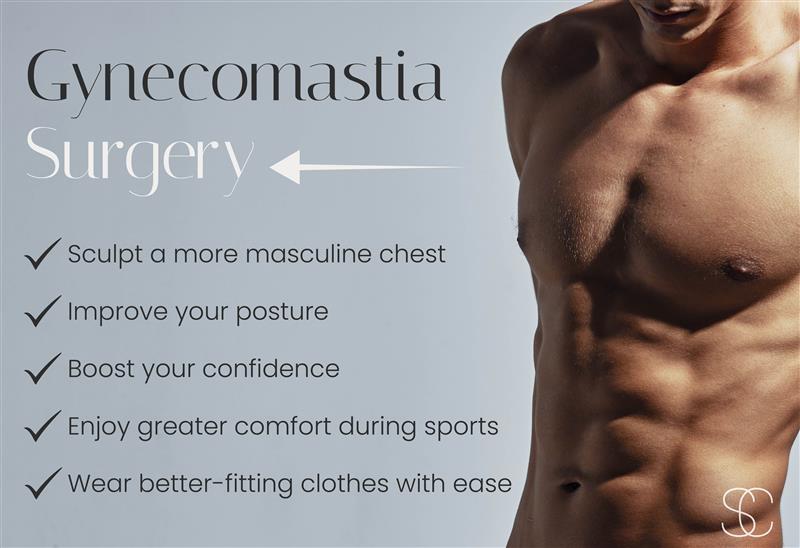
Gynecomastia surgery can address a range of cosmetic and comfort-related issues:
Gynecomastia surgery is a customized procedure designed to create a flatter, more masculine chest. Your journey begins with a detailed consultation, where Dr. Sood reviews your medical history, discusses your goals for gynecomastia surgery, and evaluates your chest anatomy to create a personalized treatment plan.
Gynecomastia surgery is typically performed as an outpatient procedure under local anesthesia with sedation or general anesthesia. Most patients go home the same day with detailed recovery instructions.
Gynecomastia surgery typically involves a combination of:
What to Expect During Gynecomastia Surgery
By combining advanced techniques, gynecomastia surgery delivers smoother, more defined results with minimal, well-concealed scarring.
Plan to maintain a stable weight, stop nicotine use, and follow a medication review. You may be asked to pause certain blood-thinning medicines and herbal supplements as medically appropriate. Arrange a ride home and help during the first 24 hours.
Good nutrition, hydration, and sleep can support recovery. If advised by your primary care clinician, complete any requested labs or imaging before your procedure so your surgical plan is fully informed.
Most gynecomastia surgery patients return to non-strenuous work in several days, resume light cardio at about 2 weeks, and gradually reintroduce upper-body workouts at 4 to 6 weeks with surgeon clearance. Wear your compression garment as directed to support healing and minimize swelling. Protect incisions from sun exposure and follow scar-care guidance once fully closed.
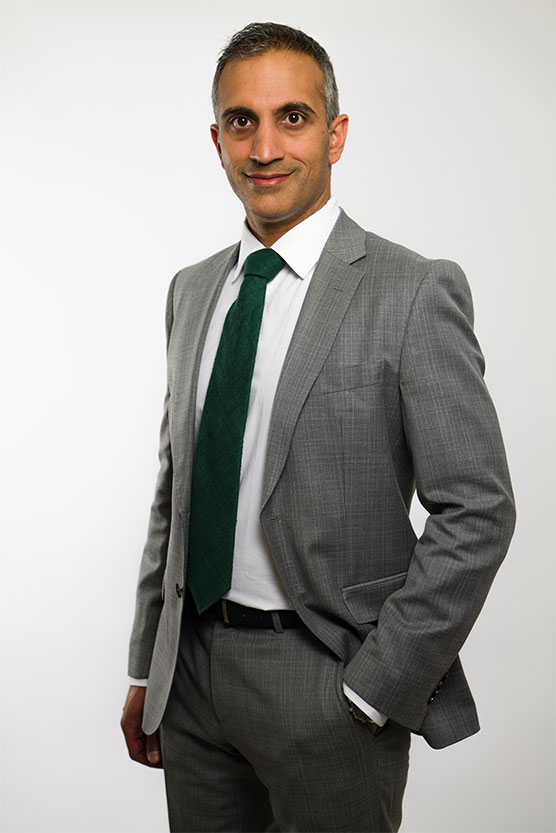
Gynecomastia surgery with Dr. Mohit Sood and his team is guided by a commitment to exceptional results, advanced techniques, and uncompromising patient safety. Every treatment plan is built around achieving optimal outcomes while maintaining the highest standards of care in male breast reduction and chest contouring procedures.
With extensive experience in gynecomastia treatment, the team combines clinical expertise with innovative, leading-edge surgical methods to address each patient’s unique anatomy and goals. From consultation through recovery, patients receive personalized attention, clear communication, and compassionate support—ensuring a smooth, comfortable experience and consistently high levels of patient satisfaction.
With locations in Linwood and Haddonfield, Sood Center provides convenient access, modern techniques, and individualized planning. Patients value our privacy-minded setting, approachable staff, and structured follow-up care.
Good candidates for male breast reduction surgery are in general good health, at a stable weight, and have realistic expectations. Many gynecomastia surgery candidates are bothered by persistent chest fullness despite diet and exercise, or by puffy areolas due to glandular tissue.
Most patients achieve their goals with one gynecomastia surgery. In complex cases—such as after major weight loss—a staged approach or minor revision may be discussed to refine symmetry once swelling settles.
While the glandular tissue removed during gynecomastia surgery does not typically regrow, results are not absolutely guaranteed to be permanent. Fat can reaccumulate if you gain weight, and hormonal shifts or certain medications (for example, anabolic steroids, some hormone therapies, or other drugs that affect hormone balance) can cause new breast enlargement. Maintaining a stable weight, avoiding causative medications when possible, and following any endocrine evaluations or recommendations will help preserve your outcome. Your surgeon can discuss realistic expectations based on your individual anatomy and risk factors.
The full cost of gynecomastia surgery may include anesthesia fees, hospital or surgical facility costs, medical tests, post-surgery garments, prescriptions for medications, and the surgeon’s fee. Dr. Sood will explain more about the final cost of your surgery when you meet with him for a consultation. Note that gynecomastia surgery is usually not covered by insurance.
Incisions are placed to be as inconspicuous as possible—commonly around the areola or in natural creases—and are often combined with liposuction sites. Scars will gradually fade over the course of 12–18 months, but it’s important to understand that all scars are permanent to some degree. You can help optimize healing with recommended wound care, sun protection, silicone gel or sheets, and gentle massage once cleared by your surgeon; your surgeon can also advise on treatments for problematic scarring or revision options if needed.
You can usually begin gentle walking immediately to promote circulation, but more strenuous activity should be phased in carefully. Light cardio (such as brisk walking or stationary cycling) is typically allowed around 2 weeks after surgery, while upper-body resistance training and heavy lifting should generally be delayed until 4 to 6 weeks and only resumed with your surgeon’s clearance. Return to full contact sports or intense chest workouts may require a longer restriction (often 6–8 weeks) depending on your healing, so follow your surgeon’s personalized timeline and stop any activity that causes pain or unusual swelling.
Gynecomastia surgery is most often classified as cosmetic and, therefore not covered by insurance. Exceptions can occur when there is clear medical necessity—for example, persistent, symptomatic gynecomastia that has been documented, evaluated by an endocrinologist, and shown to be refractory to medical treatment—if your insurer’s criteria are met.
Sood Center provides other body contouring procedures for men, such as liposuction to reduce isolated pockets of fat on specific areas, tummy tuck surgery to reduce excess skin and fat from the midsection, and thigh lifts and arm lifts to enhance the contours of these areas. Choose which procedure—or combination of procedures—is right for you.
If gynecomastia surgery in Linwood or Haddonfield is on your 2026 goals list, we welcome you to explore options with our Sood Center team. Take the next step toward a more confident profile with male breast reduction (gynecomastia surgery). Call us in Linwood at 609.904.5390 or Haddonfield at 856.403.9686 or message us online to request a consultation.
Welcoming patients from New Jersey, Philadelphia, and beyond.